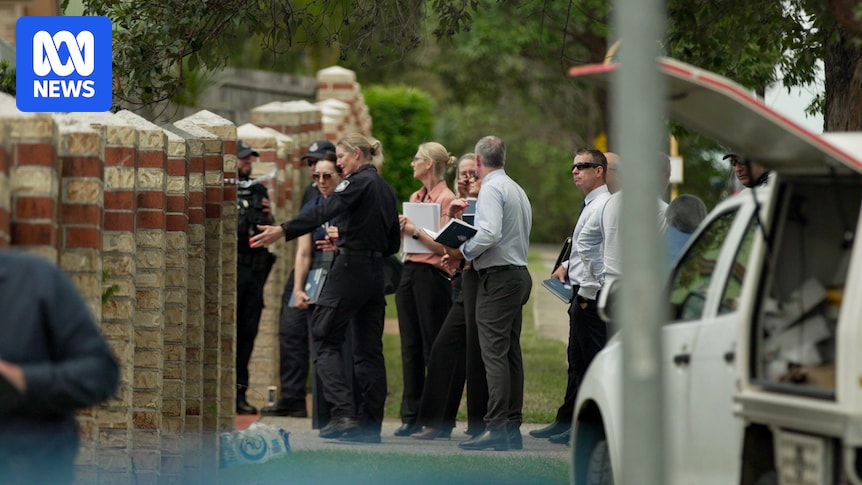
A routine welfare check in Brisbane's eastern suburb of Tingalpa tragically escalated into a fatal Brisbane police shooting on the morning of March 3rd, leaving a 21-year-old man dead. The incident, which saw officers confront an armed individual, has sent shockwaves through the community and prompted an immediate, high-level investigation into the circumstances surrounding the use of lethal force by Queensland Police. This somber event underscores the inherent dangers faced by police officers daily and highlights the complex challenges involved when law enforcement responds to situations involving individuals experiencing mental health crises.
The Tragic Incident Unfolds in Tingalpa
The sequence of events leading to the fatal shooting began around 10:30 AM on Tuesday, March 3rd, when Queensland Police officers were dispatched to a property on Thurston Street in Tingalpa. Their objective was a welfare check, initiated after a caller expressed significant concerns for the mental health of the 21-year-old male resident.
Upon arrival, officers attempted to engage and negotiate with the man. However, the situation quickly deteriorated. Acting Chief Superintendent Heath McQueen later confirmed that during these negotiations, the man armed himself with a knife and made threats towards the police. In response to what they perceived as an immediate threat, officers discharged their firearms, fatally wounding the man.
Despite immediate medical assistance rendered by paramedics who were at the scene, the 21-year-old man died from his injuries. The rapid and tragic escalation from a welfare concern to a fatal encounter within moments underscores the unpredictable and highly volatile nature of such incidents. Police Union President Shane Prior later revealed that officers had initially attempted to subdue the man with a taser, but it proved ineffective, leading to the use of lethal force. One police officer sustained a minor injury during the confrontation and was treated at the scene, a stark reminder of the risks involved.
The Critical Role of Welfare Checks
Welfare checks are a crucial, yet often underestimated, aspect of police work. They are initiated when there are concerns for an individual's safety, mental health, or general well-being, often by family members, friends, or concerned citizens. While many such checks resolve peacefully, they carry an inherent risk, particularly when the individual is in distress, disoriented, or suffering from a mental health episode. Officers approaching these situations must balance their duty to protect the individual with ensuring their own safety and the safety of the public. This Tingalpa incident serves as a stark example of how quickly these delicate situations can turn critical.
A Community in Shock: Police and Public Reactions
The aftermath of the Tingalpa police shooting has left the community grappling with questions and sorrow. Acting Chief Superintendent Heath McQueen expressed profound regret over the incident, stating, "This is a devastating incident. My thoughts are with all the officers involved, emergency services in attendance, and the family of the man involved." He acknowledged the immense pressure on officers, highlighting that "these incidents are often dynamic in nature and split-second decisions need to be made."
Police Union President Shane Prior echoed these sentiments, extending sympathies to the deceased man's family and describing the event as a tragic mental health episode. Prior stressed that such outcomes are not what police want, but they are a harsh reality of the job. "This is not a job that police in Queensland want to go to, but unfortunately, these are the kind of jobs that our police are confronted with every single day," he stated. Union officials were dispatched to provide immediate emotional and mental wellbeing support to the officers involved, recognising the significant psychological toll such an event takes on first responders.
Navigating Mental Health Crises: A Police Challenge
This incident vividly illustrates the increasing complexity of police work, particularly concerning mental health crises. Police officers are often the first, and sometimes only, responders to individuals experiencing severe psychological distress. They are tasked with making rapid assessments in high-stress environments, frequently without the full background context or mental health expertise of clinical professionals.
Across Australia, police forces are increasingly focusing on Crisis Intervention Training (CIT) and similar programs to equip officers with better de-escalation techniques and an understanding of mental health conditions. While these programs are vital, the reality is that not every situation can be de-escalated, especially when an individual is armed and actively threatening harm. The use of force, including lethal force, remains a last resort, employed when officers perceive an immediate and grave danger to themselves or others.
The Investigation: Ethical Standards and Oversight
In the wake of any fatal police shooting, a rigorous and independent investigation is paramount to ensure accountability and transparency. Immediately following the Tingalpa incident, a crime scene was declared, and the matter was handed over to the Ethical Standards Command (ESC) of the Queensland Police Service. This command is responsible for investigating serious incidents involving police conduct, including the use of lethal force.
Crucially, the investigation by the Ethical Standards Command is being conducted on behalf of the State Coroner, with direct oversight from the Queensland Crime and Corruption Commission (CCC). This multi-layered oversight mechanism ensures that the investigation is thorough, impartial, and beyond reproach. The CCC's involvement provides an external check, bolstering public confidence in the process and its findings. Their role is to examine whether police actions were lawful, appropriate, and in accordance with established policies and procedures.
Understanding the Investigative Process
- Crime Scene Processing: Immediate securing and forensic examination of the scene to gather evidence.
- Witness Interviews: Comprehensive interviews with all officers involved, paramedics, and any civilian witnesses.
- Review of Evidence: Analysis of body-worn camera footage, radio communications, and forensic evidence.
- Coroner's Inquest: Ultimately, the State Coroner will conduct an inquest to formally determine the cause and circumstances of death, and may make recommendations to prevent similar tragedies.
While Acting Chief Superintendent McQueen expressed confidence that "the use of force used is appropriate, given the circumstances," he also emphasised that "this will still be investigated by Ethical Standards Command with oversight from the CCC." This balance of initial assessment and commitment to a full inquiry is standard procedure for such grave incidents.
Broader Implications and Support for Mental Health
The Tingalpa shooting serves as a stark reminder of the critical intersection between law enforcement and mental health support. It prompts broader discussions on how society can better support individuals experiencing mental health crises and reduce the likelihood of such tragic outcomes.
Actionable Insights and Community Support:
- Early Intervention: Encourage individuals and families to seek help for mental health concerns early, before they escalate to crisis points. Resources like Lifeline (13 11 14) and Beyond Blue (1300 22 4636) are available 24/7.
- Crisis Planning: For individuals with known mental health conditions, creating a crisis plan with mental health professionals can be invaluable, outlining steps to take when distress intensifies.
- Support for First Responders: Acknowledging and addressing the significant psychological impact on police officers involved in critical incidents is vital. Ensuring access to robust psychological support services is essential for their wellbeing.
- Continued Training: Investment in advanced Crisis Intervention Training (CIT) for all frontline officers, focusing on de-escalation, communication techniques, and understanding mental illness symptoms.
- Collaborative Response: Exploring models where mental health professionals can co-respond with police to welfare checks or mental health-related incidents, offering a more therapeutic approach where appropriate.
This tragic event highlights the collective responsibility we all share in fostering a supportive community environment that prioritises mental health awareness and accessibility to care. When a welfare check becomes a matter of life and death, it signals a deeper societal need for improved mental health infrastructure and crisis management strategies.
The fatal Brisbane police shooting in Tingalpa is a profoundly sorrowful event that underscores the inherent dangers faced by our police officers and the complex challenges of responding to mental health crises. As the Ethical Standards Command and the Crime and Corruption Commission continue their thorough investigation, the community is left to reflect on the circumstances that led to this tragedy. It serves as a potent reminder of the fragility of life, the difficult decisions made under extreme pressure, and the ongoing need for robust mental health support systems and effective law enforcement training to prevent similar devastating incidents in the future. Our thoughts remain with all those affected by this heartbreaking event.